Get Your Free Quote…!


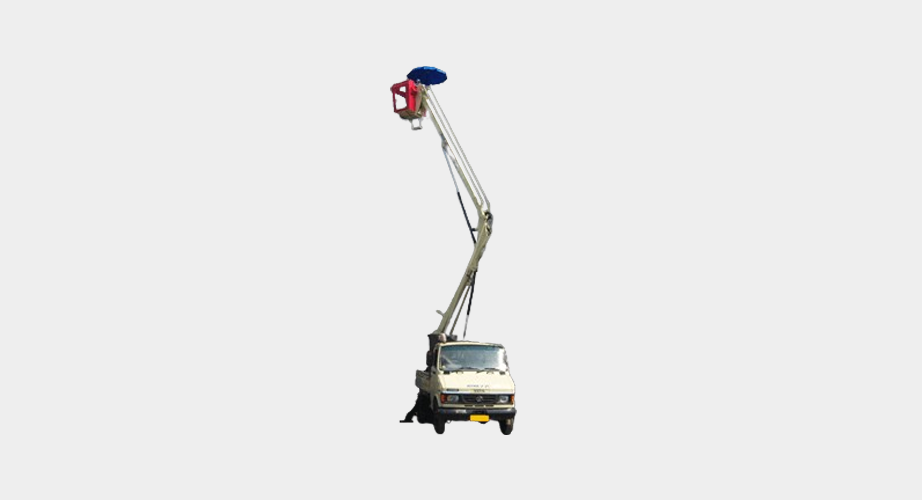
Compact articulating boom for lifting into tight, obstructed spaces.
View Details →

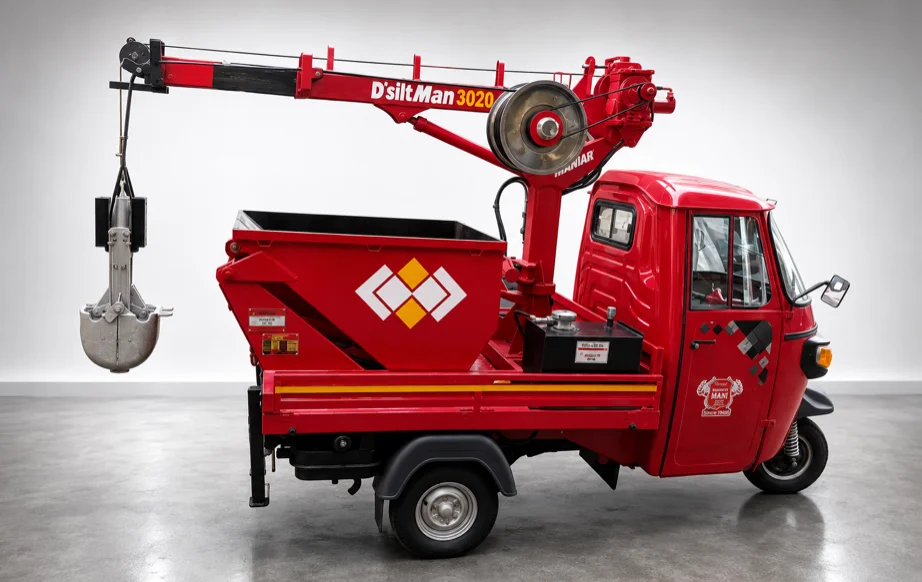
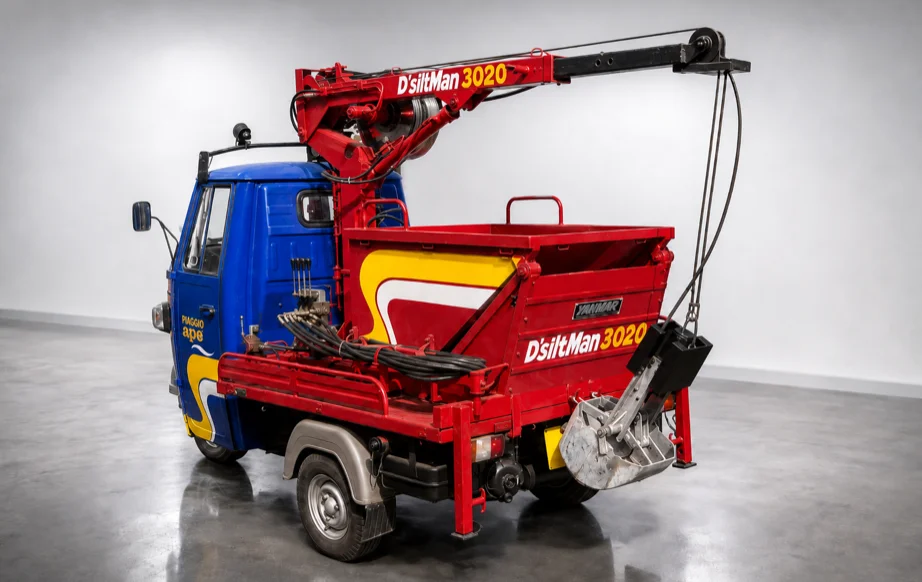
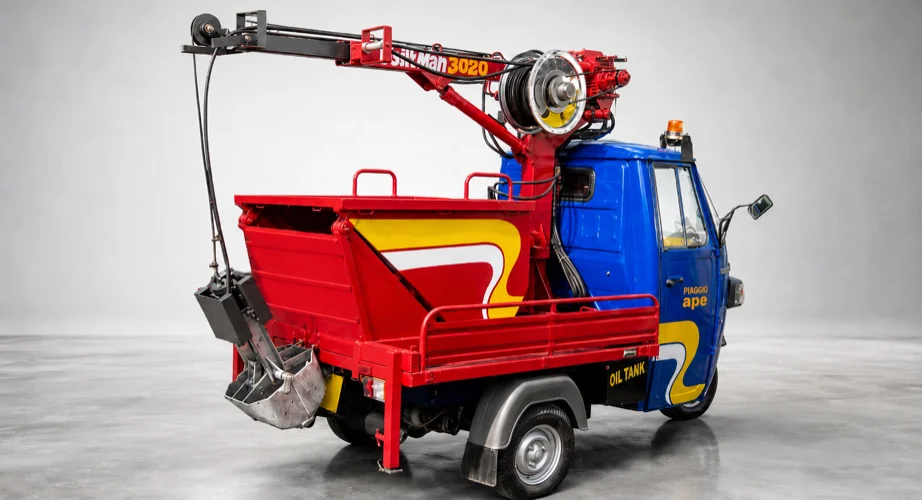
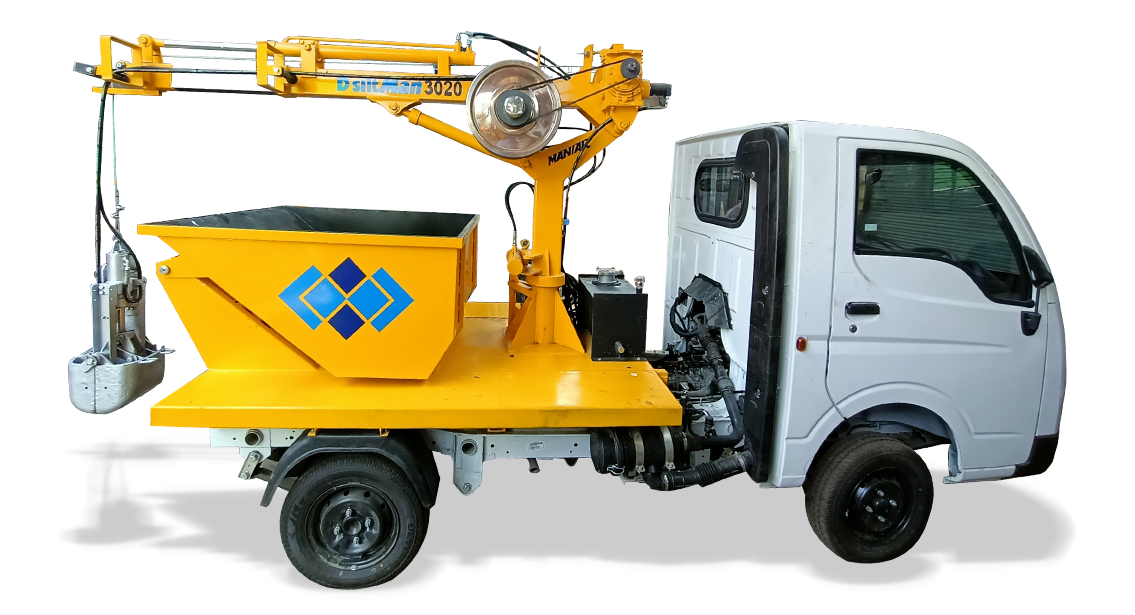
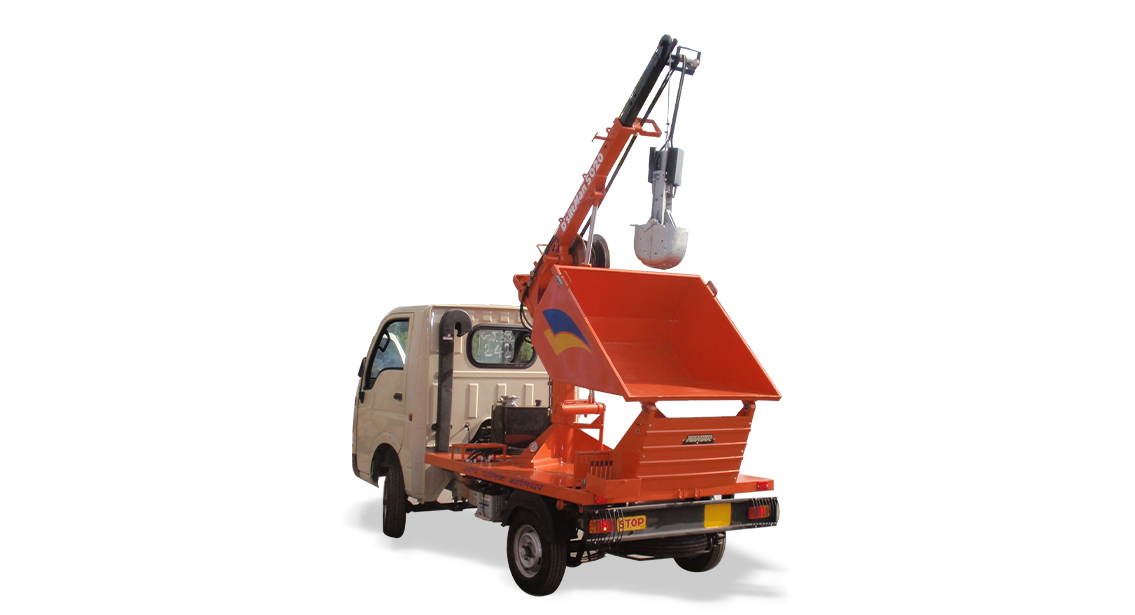
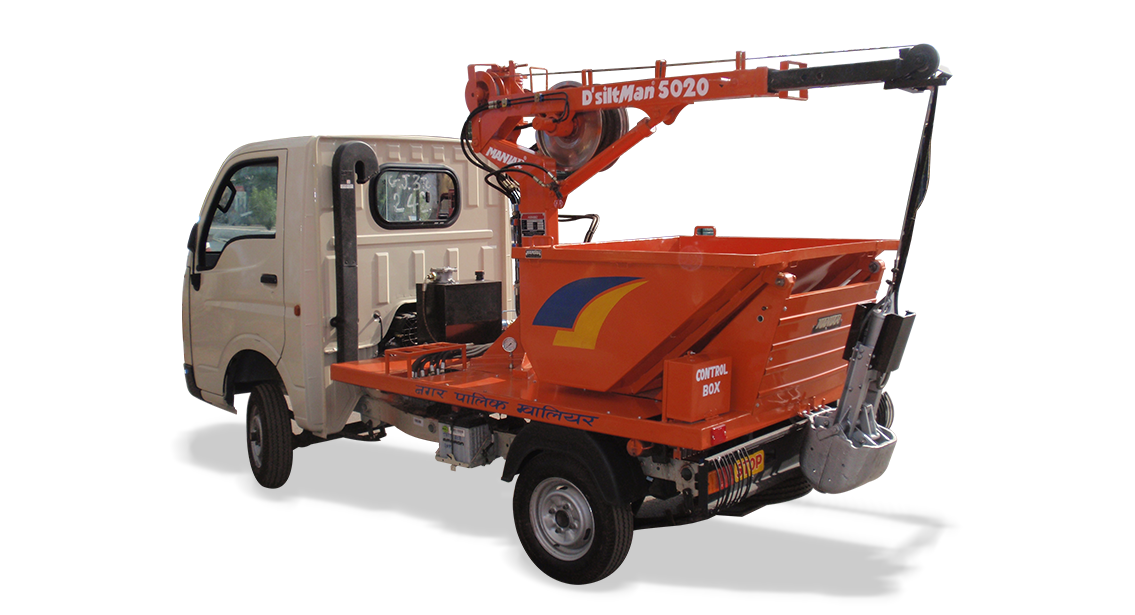
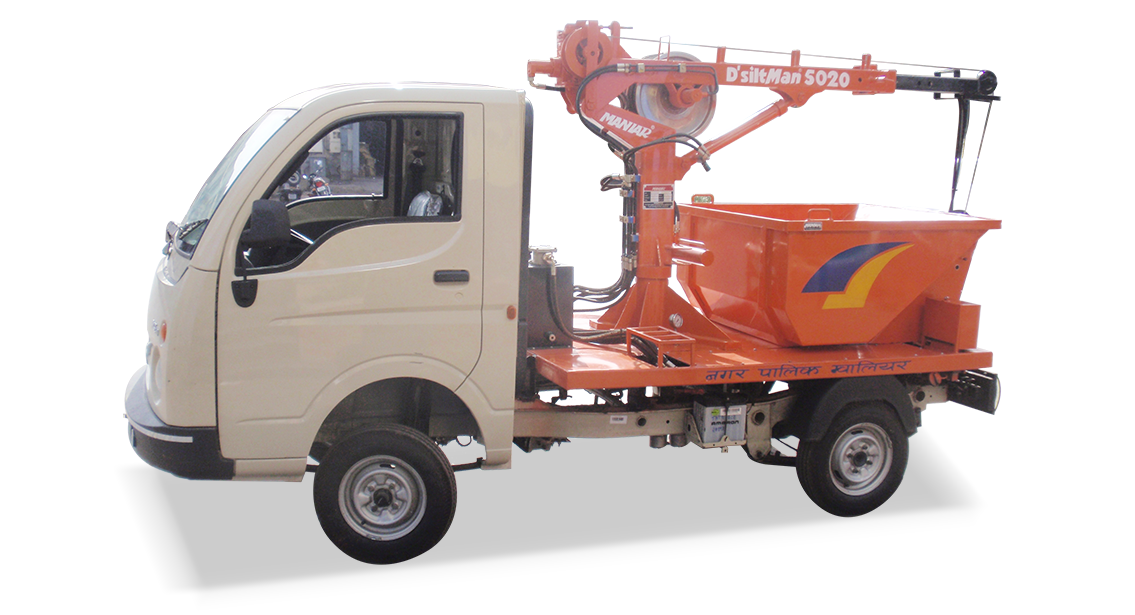
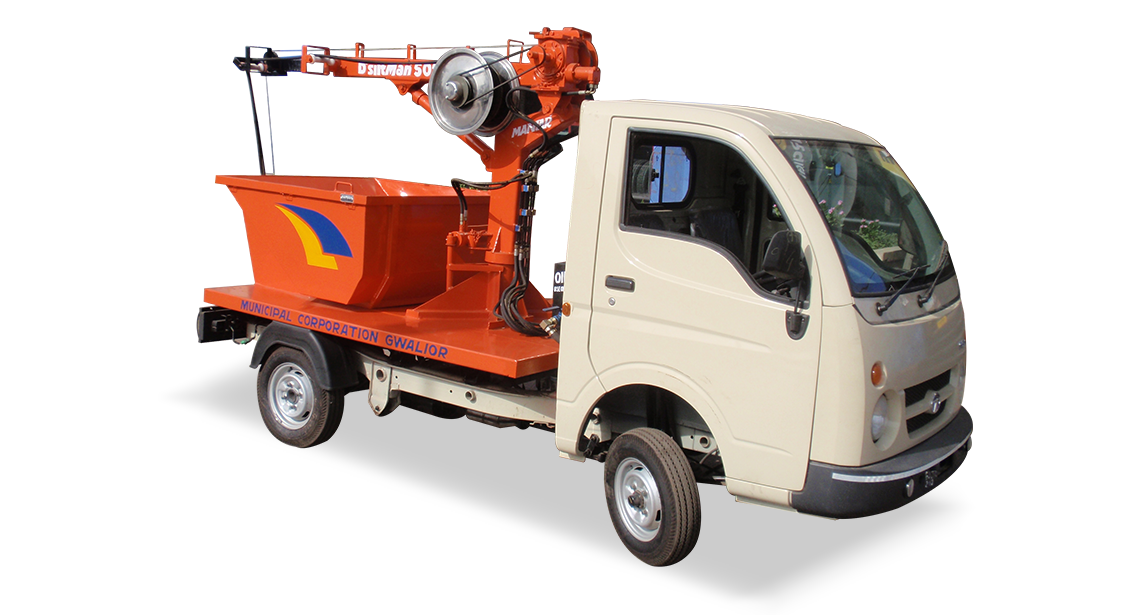
Cleaning underground sewer lines, manholes, and wet wells has always been a challenging job for municipal utilities, given the safety risks of confined-space entry. Vacuum trucks and sewer jetters have made it possible to clear blocked sewer lines without anyone entering the line — but desilting manholes and wet wells has traditionally still relied on manpower.
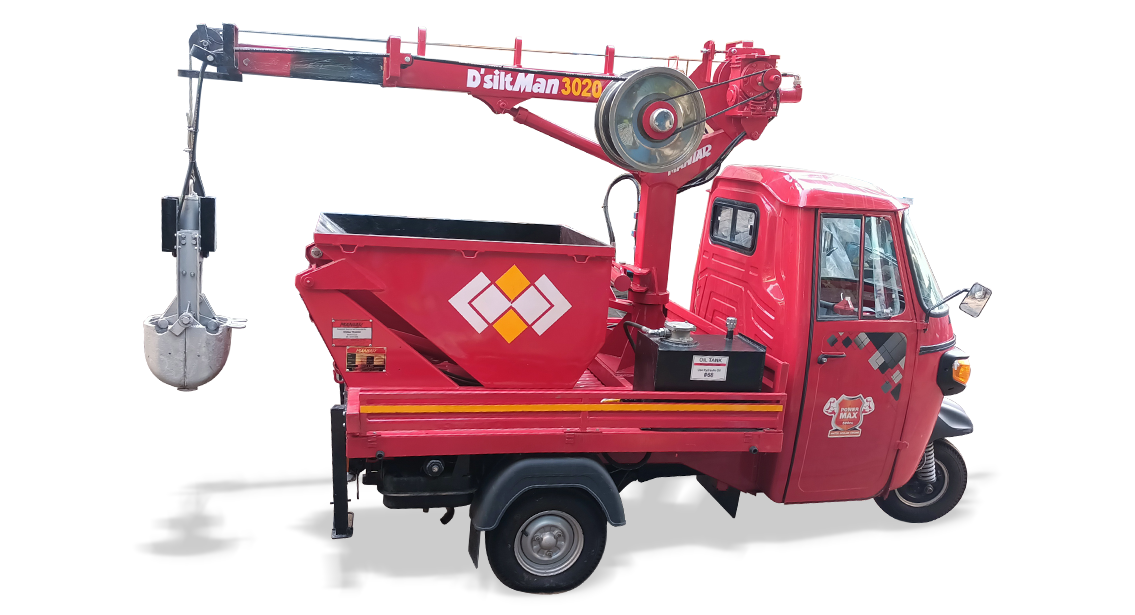
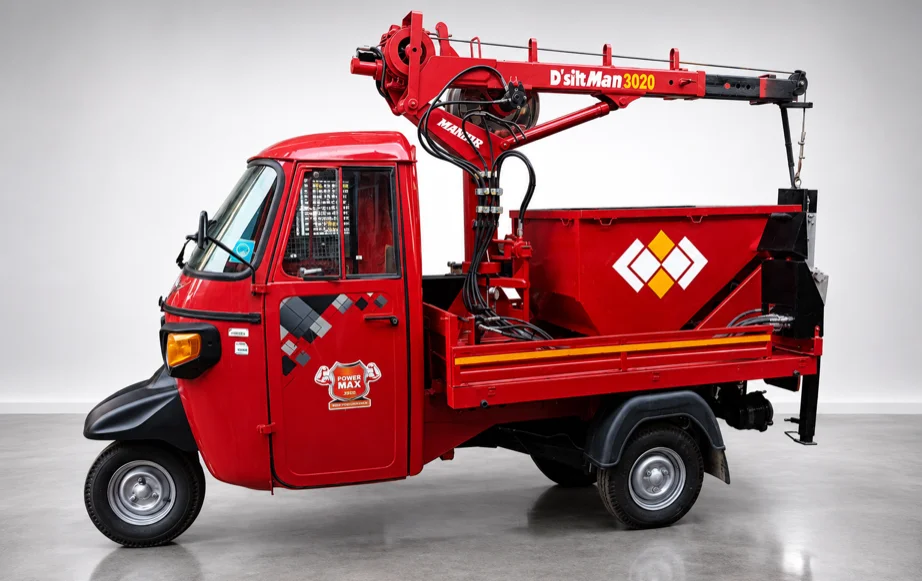
Our catch basin cleaner is a hydraulic grab-bucket desilting system built for exactly this job. Mounted on a compact 3- or 4-wheel chassis, it uses a lever-controlled grab bucket to collect silt and sludge from depths of 30 to 50 feet or more, without anyone entering the manhole or wet well. The machine includes a telescopic extendable boom for extended reach and a rear hopper that collects sludge and empties it hydraulically into containers, avoiding multiple handling. Its compact size lets it maneuver in narrow lanes and tight urban access points where a full-size vacuum truck can't easily reach — at a substantially lower cost than a full vacuum truck or deep-suction machine.
The catch basin cleaner works on a four-bar linkage grab-bucket mechanism mounted on a telescopic hydraulic boom. The boom lowers the bucket into the manhole or wet well, and moulded seamless steel jaws (minimum 10mm thick) close around the accumulated silt with up to 2.8 tons of grabbing force. A hydraulic winch — reduction gearbox, wire reel, and a 6mm-diameter wire rope rated to 22.5 kN breaking strength — raises the loaded bucket back to the surface, where the boom slews up to 90 degrees to either side to position it over the hydraulically operated hopper. The hopper empties at a high dumping angle directly into a container or compactor, so silt is handled once instead of being shovelled and reloaded by hand.
| Specification | DSM-3020 (3-Wheeler) | DSM-3020 (4-Wheeler) |
|---|---|---|
| Chassis | 3-wheeler | Compact pickup / mini truck (e.g. Tata Ace) |
| Hopper capacity | 0.3 cum | 0.5–1.0 cum |
| Max traveling depth | 30–32 ft | 30–32 ft |
| Safe load / grab capacity | 25 kg | 25 kg |
| Minimum manhole size | 21" | 21" |
| Best suited for | Narrow lanes and tight urban access where a 4-wheeler can't turn | Higher daily silt volumes, larger hopper capacity per trip |
Both variants share the same grab-bucket system, boom, and working depth — the choice comes down to access and volume. The 3-wheeler's tighter turning radius suits narrow residential lanes and older city cores; the 4-wheeler's larger hopper reduces how often the machine needs to stop and dump on higher-volume routes.
It desilts manholes, catch basins, and wet wells — removing accumulated silt and sludge from below street level without anyone entering the confined space. It's a lower-cost alternative to a full vacuum truck for jobs that don't need deep suction.
Both the 3-wheeler and 4-wheeler versions reach working depths of 30 to 32 feet with the telescopic boom and hydraulic winch.
They share the same grab-bucket mechanism and working depth. The 3-wheeler has a tighter turning radius for narrow lanes; the 4-wheeler carries a larger hopper (0.5–1.0 cum vs. 0.3 cum) for higher-volume routes.
0.3 cubic meters on the 3-wheeler, and 0.5 to 1.0 cubic meters on the 4-wheeler, depending on configuration.