Quick Actions

Contact

Get a Quote

img

SEWER JETTER

Sewer Jetter
Sewer Jetter
Sewer Jetter
Sewer Jetter
Sewer Jetter
Sewer Jetter
Sewer Jetter
Sewer Jetter
Sewer Jetter
Sewer Jetter
Sewer Jetter
Sewer Jetter
Sewer Jetter
Sewer Jetter
Sewer Jetter
Sewer Jetter
Sewer Jetter
Sewer Jetter
Sewer Jetter
Sewer Jetter
Sewer Jetter
Sewer Jetter
Sewer Jetter
Sewer Jetter
Sewer Jetter
Sewer Jetter
Sewer Jetter
Sewer Jetter
Sewer Jetter
Sewer Jetter
Sewer Jetter
Sewer Jetter
Sewer Jetter
Sewer Jetter
Sewer Jetter
Sewer Jetter
Sewer Jetter
Sewer Jetter
Sewer Jetter
Sewer Jetter
Sewer Jetter
Sewer Jetter
Sewer Jetter
Sewer Jetter
Sewer Jetter
Sewer Jetter
Sewer Jetter
Sewer Jetter
Sewer Jetter
Sewer Jetter

SEWER JETTER

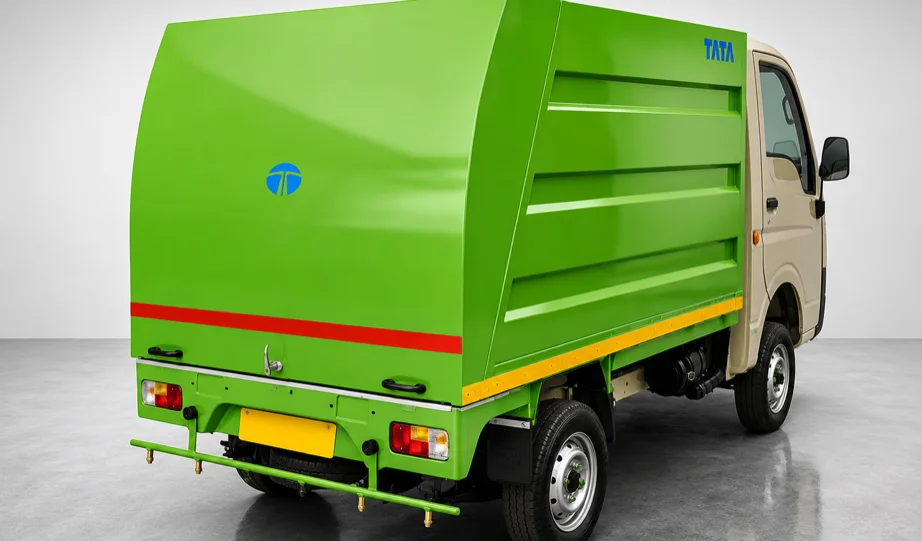
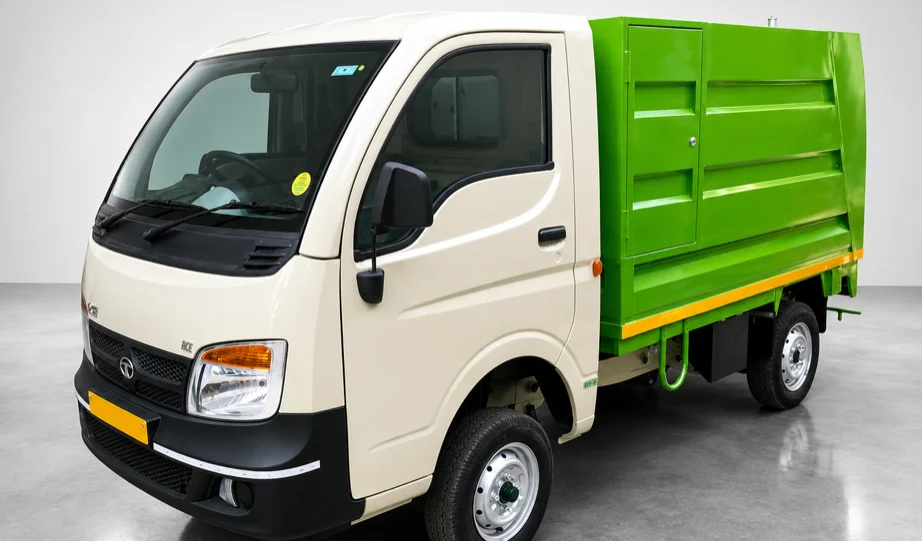
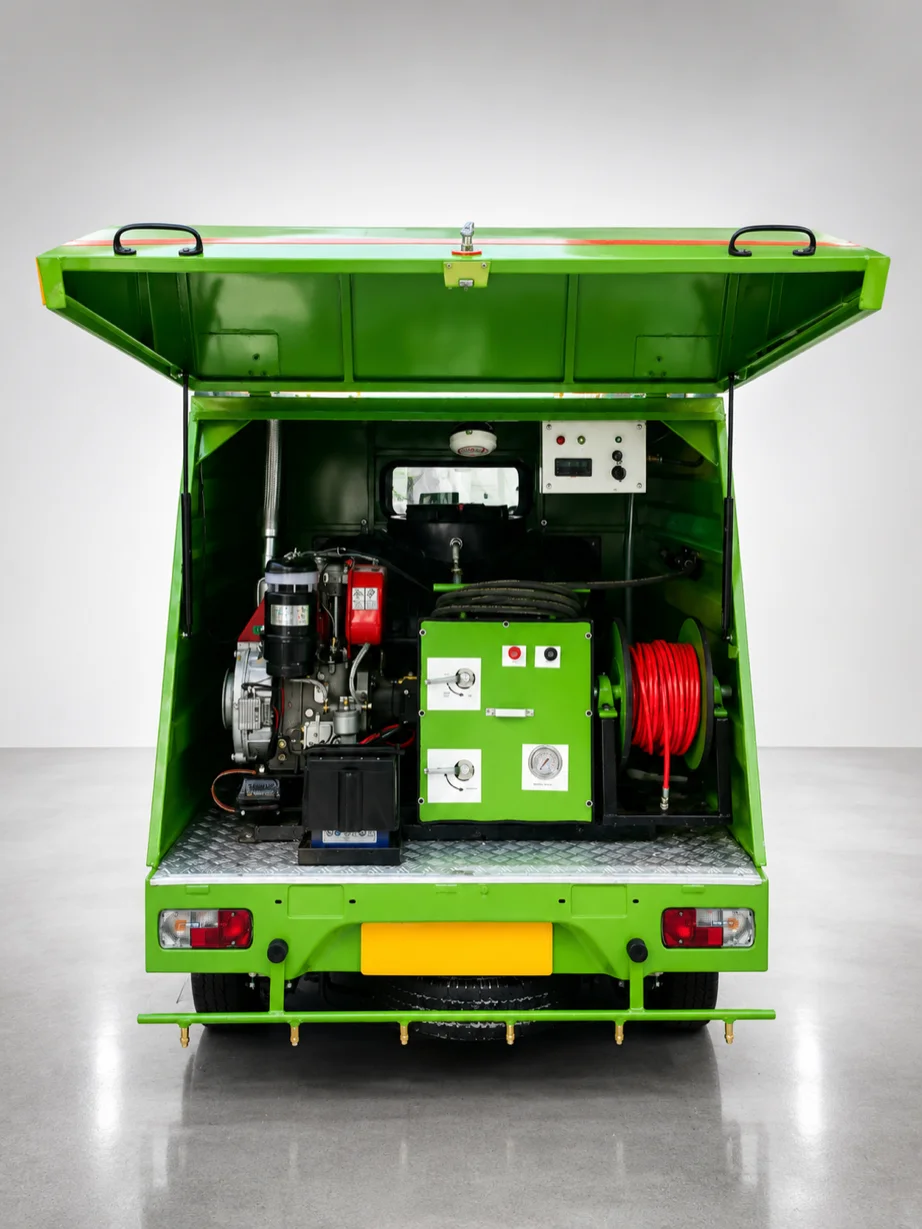
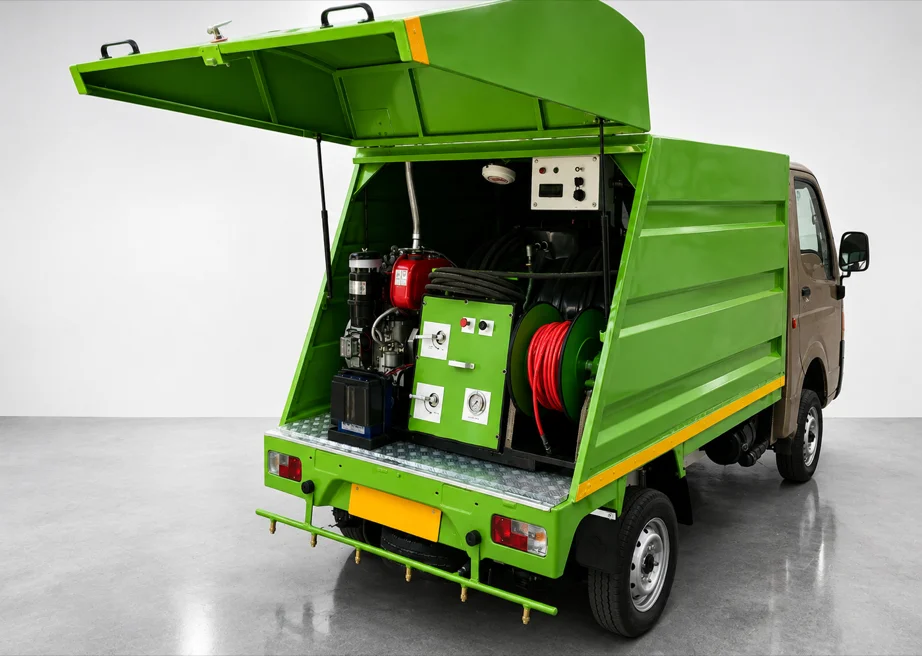
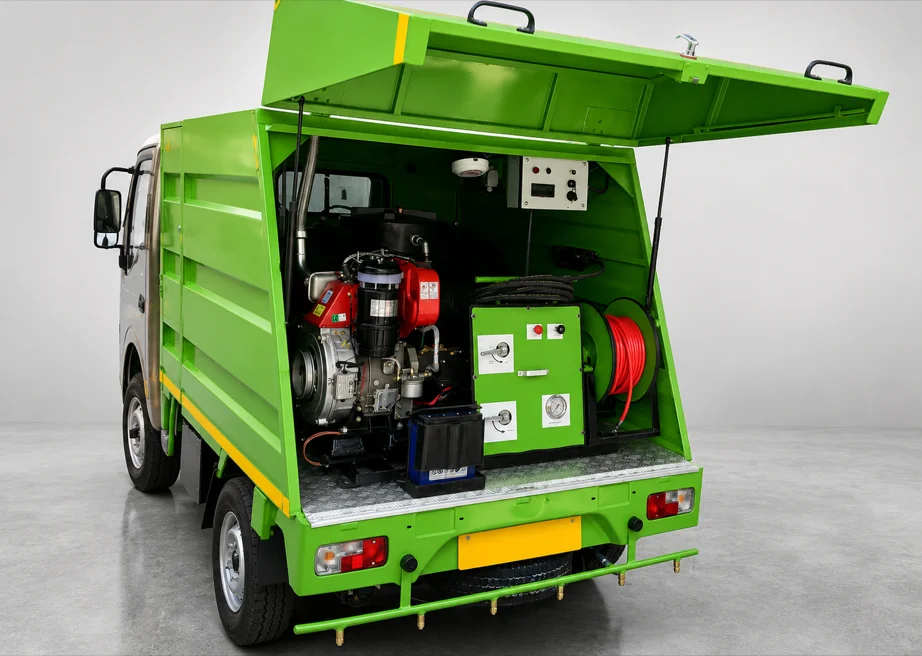
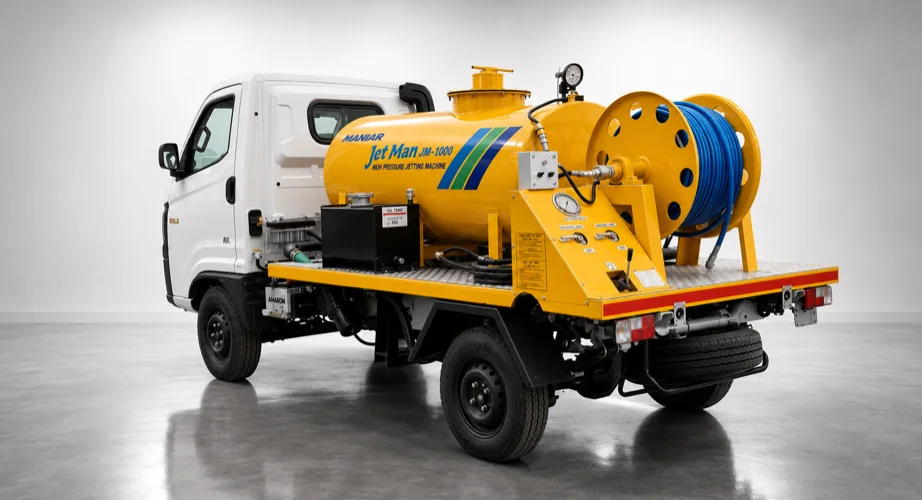
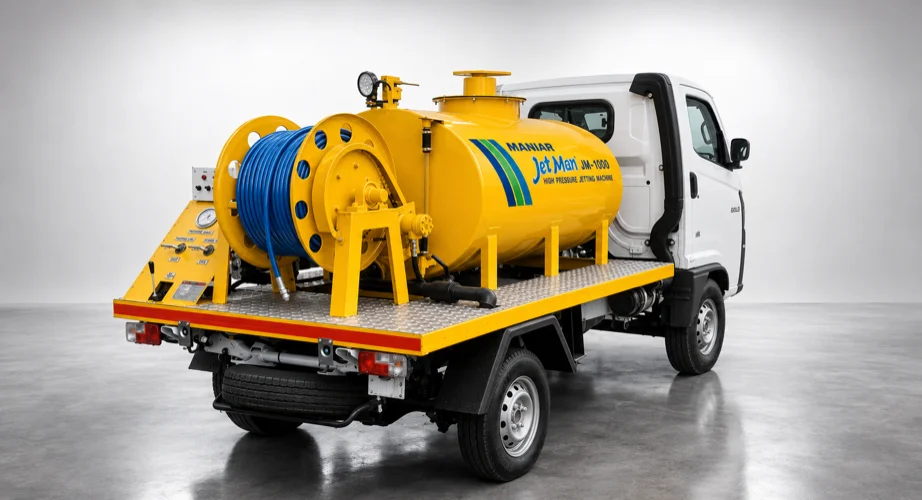
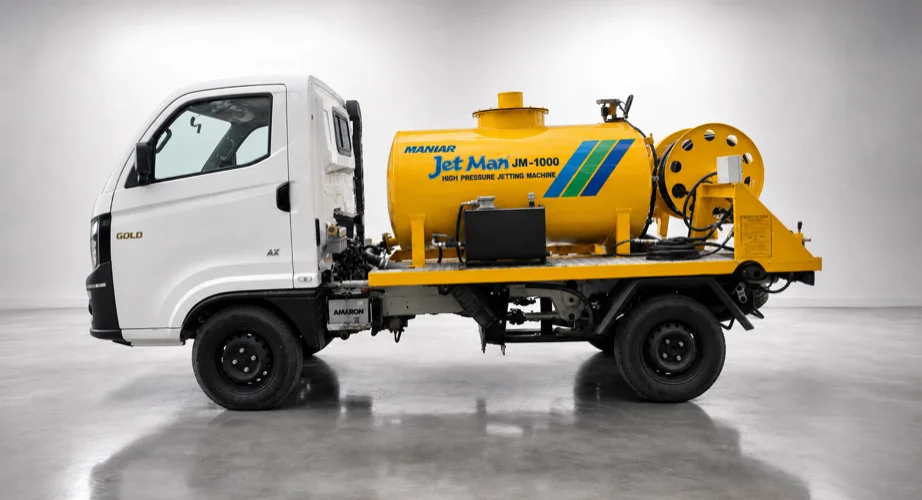
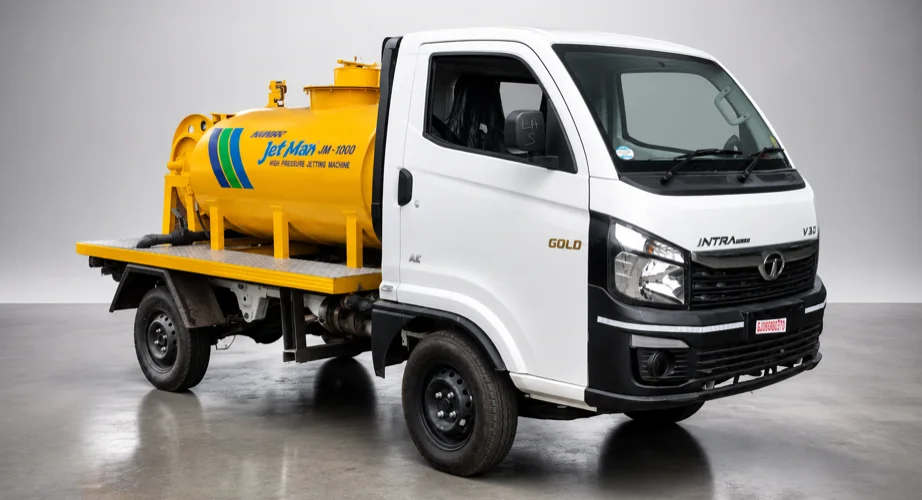
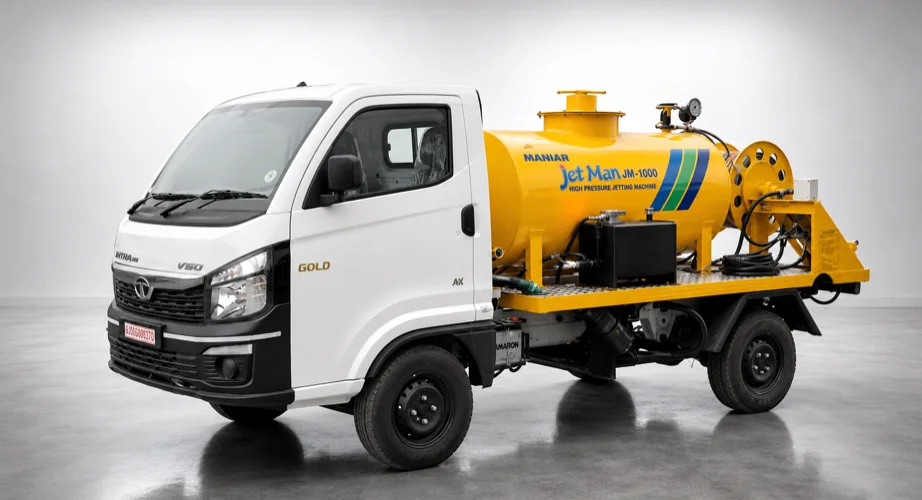
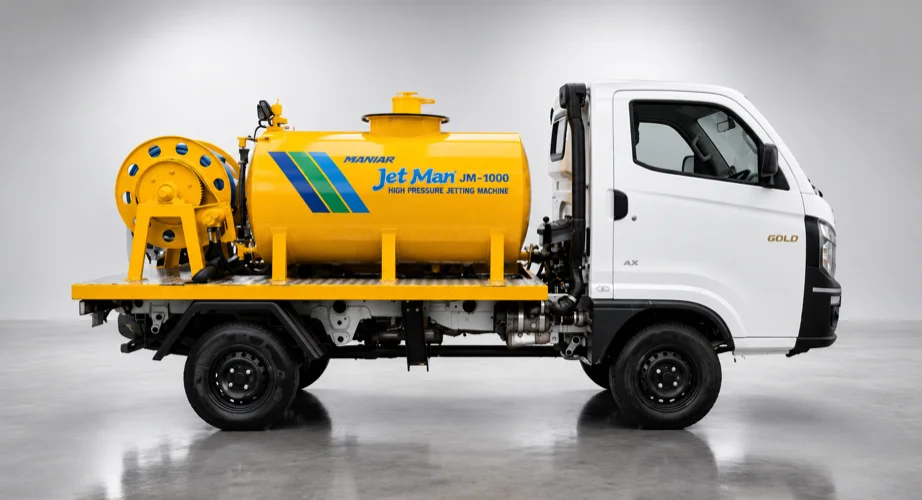
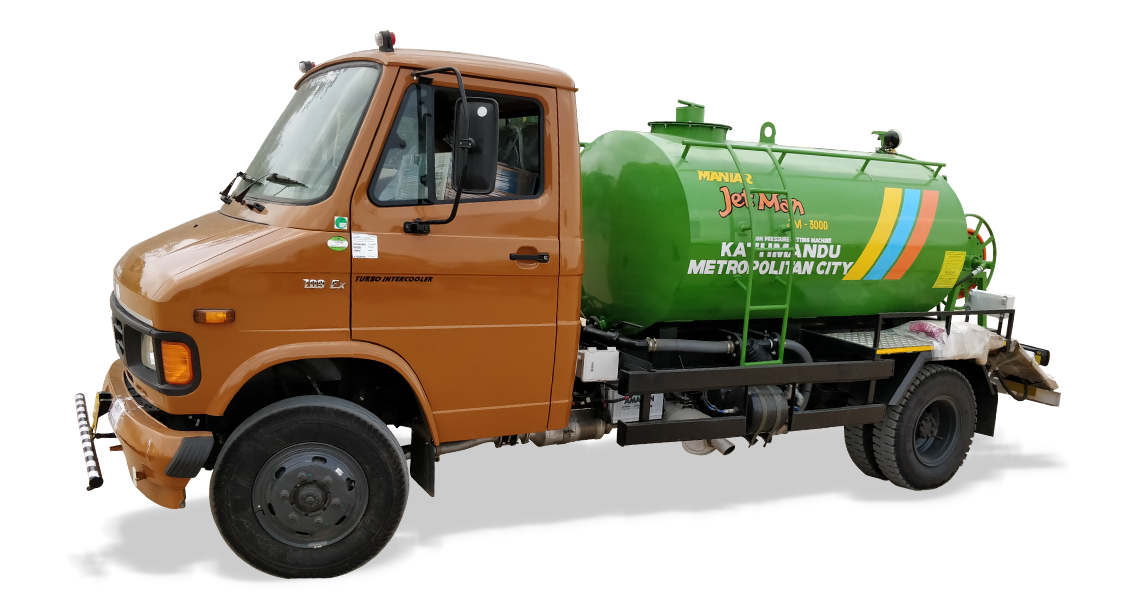
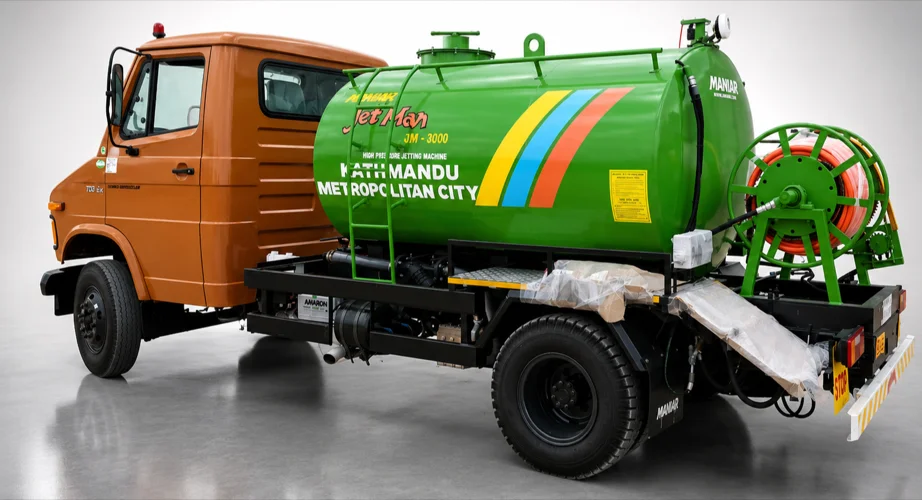
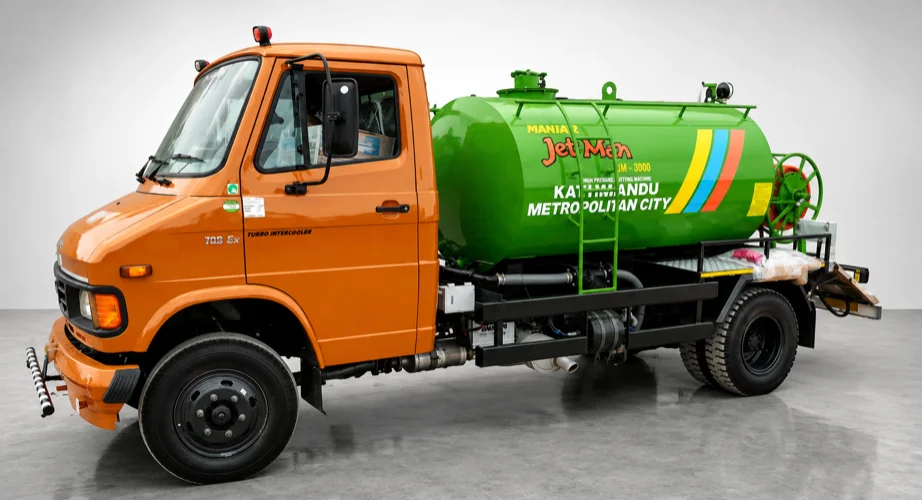
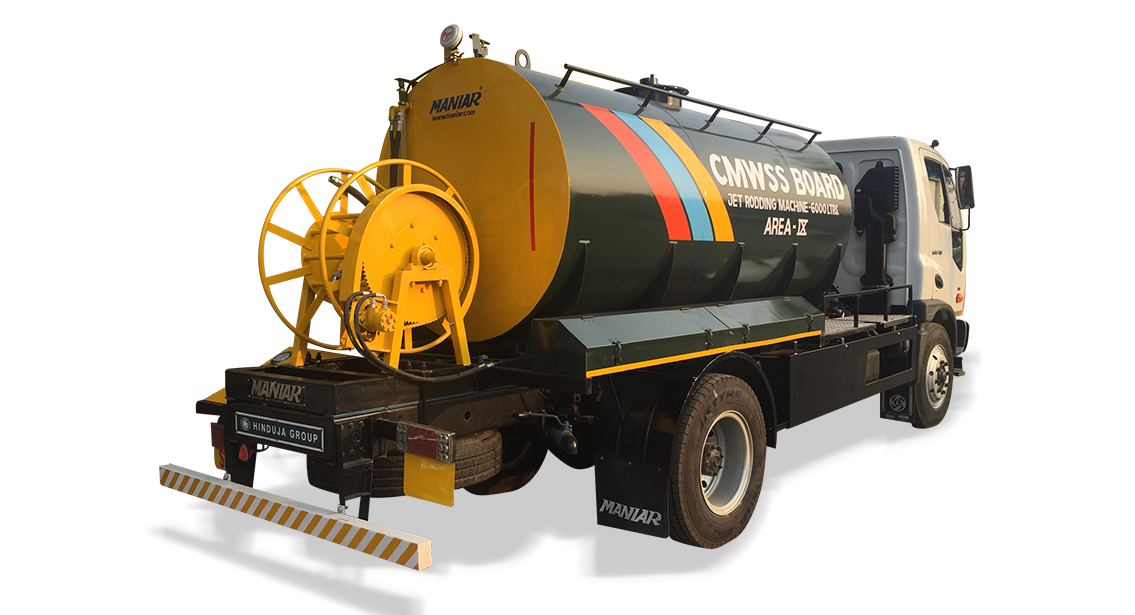
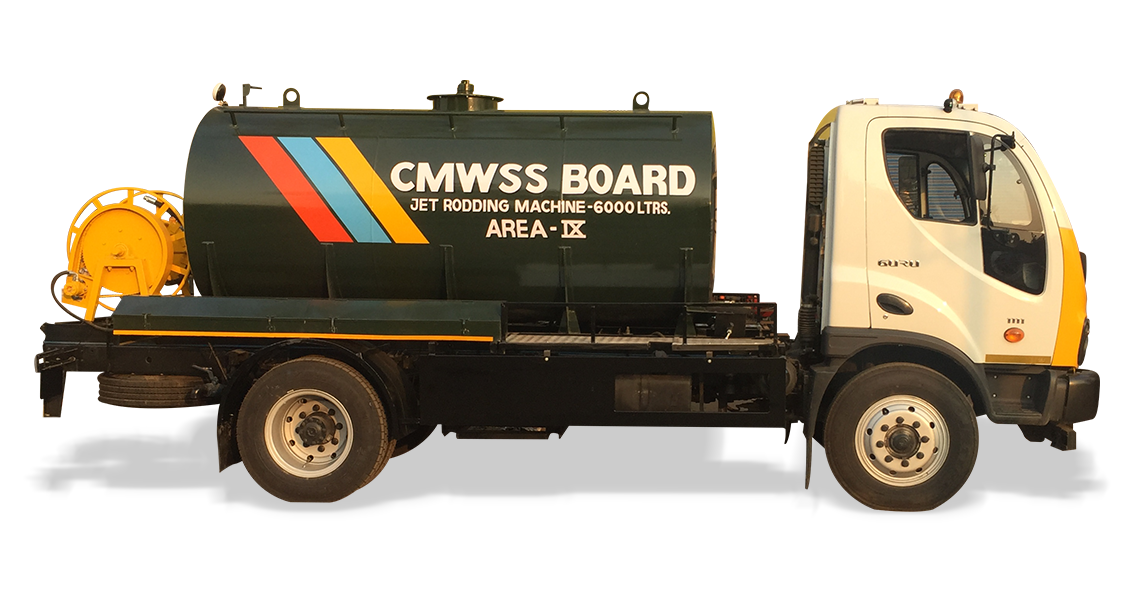
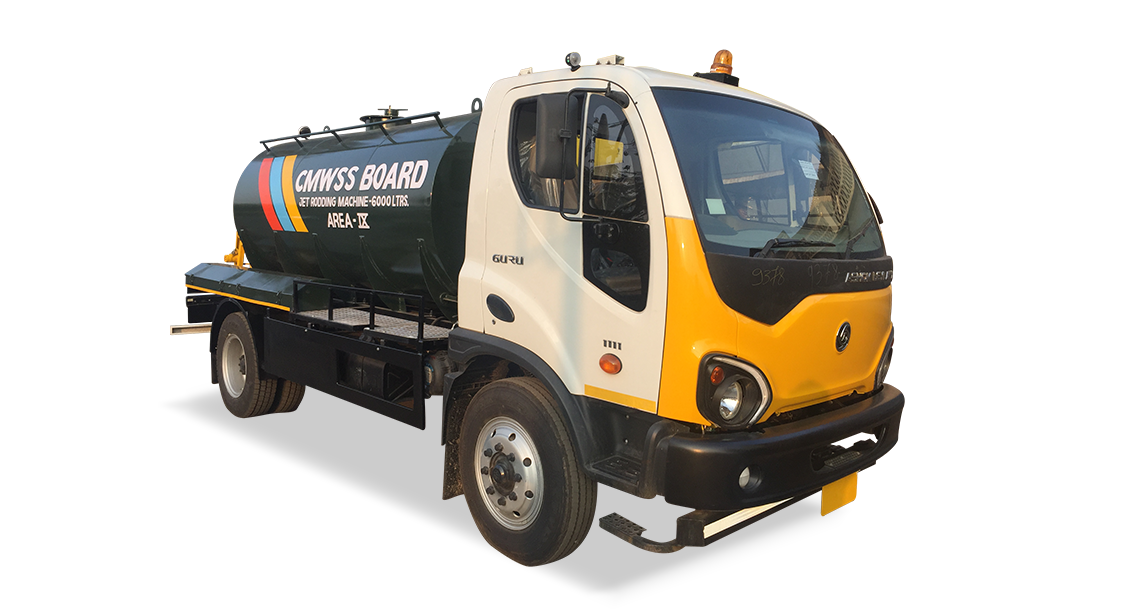
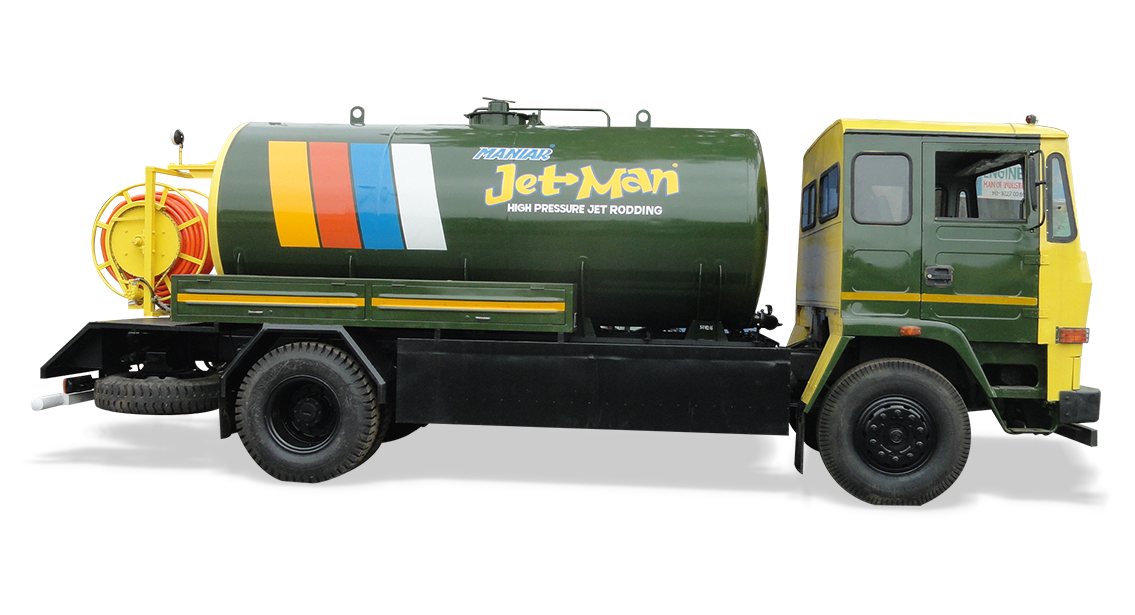
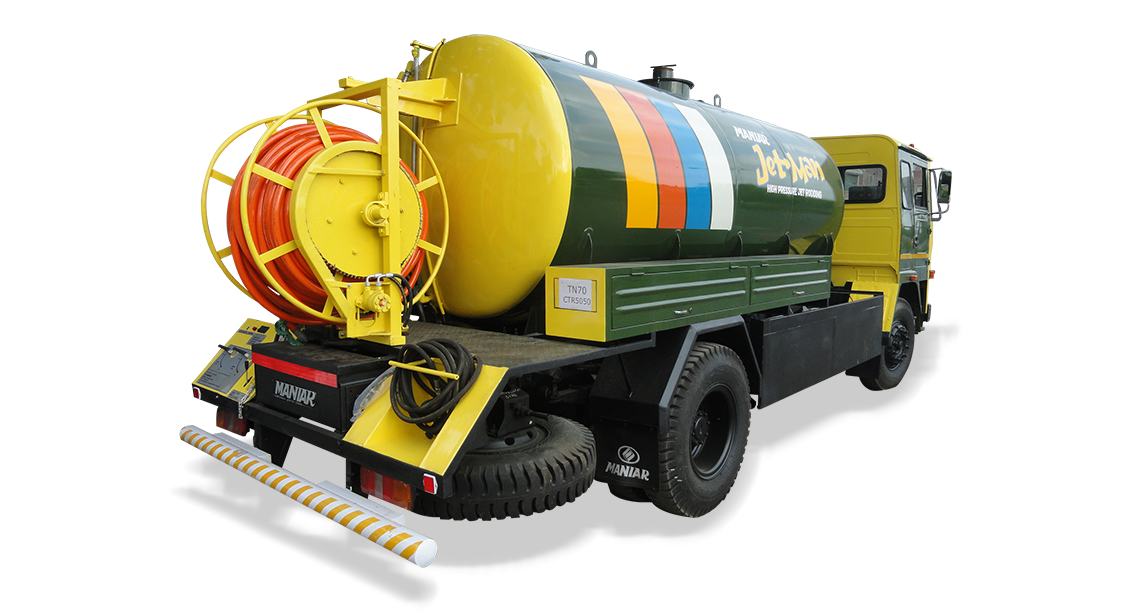
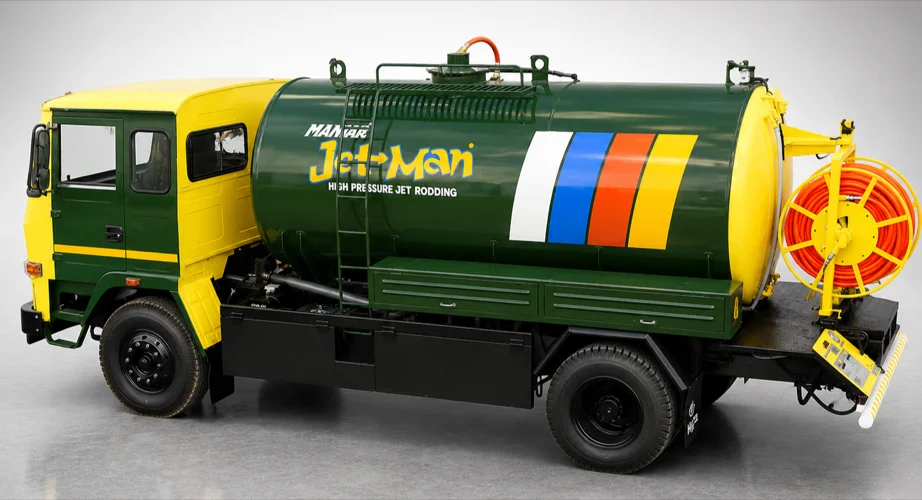
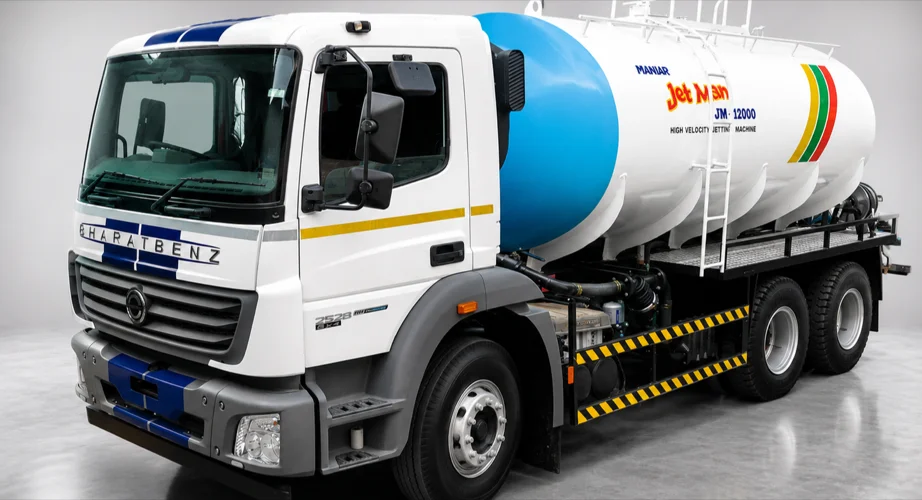
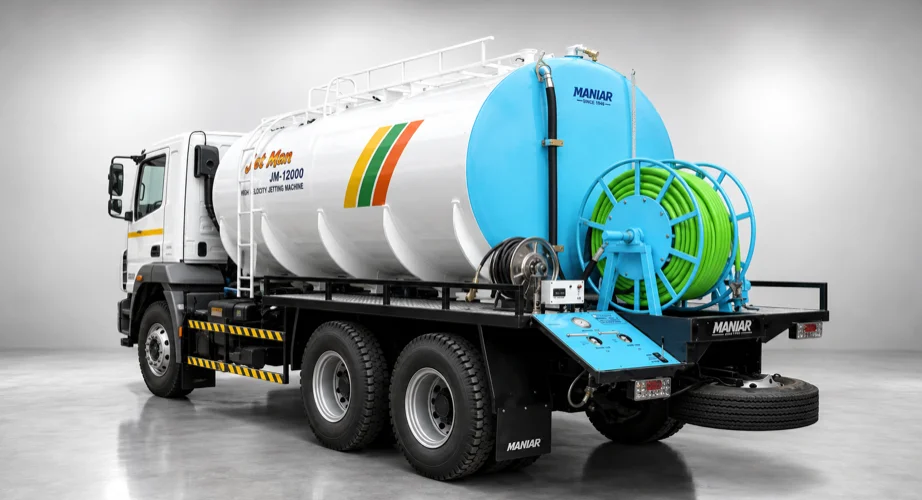
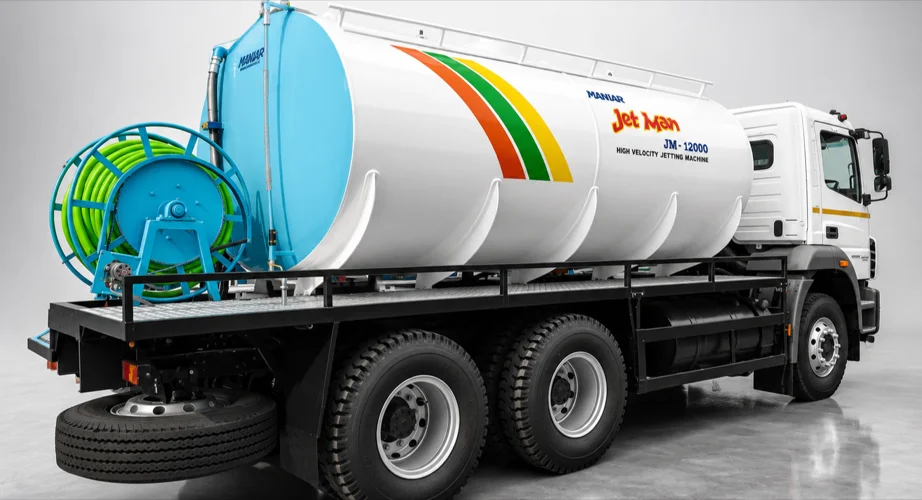
Our sewer jetters — also called jetter trucks, hydro jetters, or water jetters — use high-pressure water to clear blocked underground sewer and drain lines, from 50mm up to 900mm in diameter and more. A specially designed nozzle delivers high-pressure water into the line to break up and clear the blockage. Depending on tank and pump capacity, units are built on truck, trailer, or towable chassis to fit different fleet needs. Beyond core sewer jetting, these machines can also be used for pressure washing equipment and vehicles, cleaning walkways, and other general high-pressure cleaning tasks.

Working

High pressure jetting is the preferred method of re-establishing water flow. It not only removes blockage but also washes away all debris found within the pipe. High pressure water jet is faster and less labor intensive than use of a mechanical rodding or cable machines. High pressure jetting units maintain constant working pressure and cleaning power at the nozzle end while mechanical machines will lose cutting and torque power as rod or cable distances increase within pipelines from the point of entry.

High pressure jetting has another advantage over cable or rodding machines. Where access is difficult, a lightweight, flexible jet hose is a safer and more practical solution. Pipelines that are suspended from ceilings or catwalks are easily cleaned using a high pressure jetting hose rather than a heavy, cumbersome mechanical drain cleaning machine. Cleaning vertical stacks or vents is easier with a high pressure jetting unit and lightweight jetting hose than with heavy drain cleaning cables or rods.

Page last updated: September 9, 2026

Key Features

  • Five capacities from 500 to 8,000 liters, on chassis ranging from a compact pickup to a 16-ton GVW truck
  • Triplex plunger jetting pumps from 13 up to 267 LPM, at 130-200 bar, matched to line size
  • Conical Head and Round Head nozzles (front and rear holes) standard; specialty nozzles supplied on request
  • Optional inspection camera, fitted in place of the nozzle, with live view and recording
  • Optional hose counter (meter-wheel or digital) on the MJ-3000, MJ-6000, and MJ-8000
  • Lateral cleaning system with a hand-held washing gun for equipment, vehicle, and general high-pressure washing on every model

Choosing a Model by Flow, Pressure & Line Diameter

The right sewer jetter for a job comes down to the pump's flow and pressure relative to the diameter of the line being cleared. Higher flow moves more debris out of larger-diameter pipes; here's how the MJ-series lines up:

Model Jetting Pump Suitable Drain Line Diameter
MJ-500 13 LPM @ 200 bar Up to 6 in (150 mm)
MJ-1000 60 LPM @ 140 bar Up to 200 mm (~8 in)
MJ-3000 153 LPM @ 130 bar 450-500 mm (~18-20 in)
MJ-6000 226 LPM @ 150 bar 500-750 mm (~20-30 in)
MJ-8000 267 LPM @ 150 bar 750/1000-1500 mm (~30-60 in)

Nozzles

Every MJ-series sewer jetter ships standard with two nozzle types:

  • Conical Head Nozzle (front and rear holes) — a general-purpose nozzle that balances forward penetration with rear thrust to pull the hose through the line
  • Round Head Nozzle (front and rear holes) — a wider spray pattern for flushing loosened debris out of the line

Additional nozzle types can be supplied to match specific jetting jobs, including:

  • Penetrator Nozzle — forward and rear jets to punch through grease plugs and tough blockages before flushing
  • Root Cutter Nozzle — carries small cutting blades driven by the water jets to shred root intrusions
  • Flusher / Descaling Nozzle — flailing chains or carbide tips to scour hardened scale and mineral buildup from pipe walls
  • Rotating Nozzle — spins under pressure for 360° wall cleaning, effective on grease and light debris

Optional Accessories

  • Inspection Camera — attaches in place of the nozzle on any model to give a live color view down the line as the hose is fed in, with recording so you can document line condition before and after cleaning
  • Hose Counter — available on the MJ-3000, MJ-6000, and MJ-8000 to track how much hose has been fed into the line, as either a mechanical meter-wheel counter or a digital footage counter

Frequently Asked Questions

How do I know which sewer jetter size I need?

Match the diameter of the line you need to clear against the flow/pressure table above. Larger-diameter lines need higher flow to carry debris out effectively, which is why capacity increases from the compact MJ-500 up to the high-flow MJ-8000.

What nozzles are available?

Conical Head and Round Head nozzles, both with front and rear holes, are standard on every model. Specialty nozzles such as penetrators, root cutters, descaling nozzles, and rotating nozzles can be supplied to match specific jobs.

Can any model be fitted with an inspection camera?

Yes — a camera can be fitted in place of the nozzle on any MJ-series jetter, with both live view and recording.

Which models offer a hose counter?

The MJ-3000, MJ-6000, and MJ-8000 can be fitted with a hose counter, available as either a mechanical meter-wheel counter or a digital footage counter.