Quick Actions

Contact

Get a Quote

Call WhatsApp

Mechanical vs. Vacuum Street Sweeper: Which Is Right for Your Roads?

All articles
Published November 28, 2026 Street Sweepers 8 min read

Introduction

A mechanical street sweeper picks up debris with a rotating main broom and a conveyor. A vacuum street sweeper uses brooms to gather debris and a powerful blower to suck it into the hopper. Mechanical sweepers handle heavy, wet, and coarse debris best; vacuum sweepers are better at fine dust and lighter litter.

Both types keep streets clean, protect storm drains, and improve air quality, but they suit different roads and different debris. Choosing the wrong one means slower routes, more passes, and debris left behind.

This guide explains how each sweeper works, compares them side by side, and covers the questions to answer before you buy.
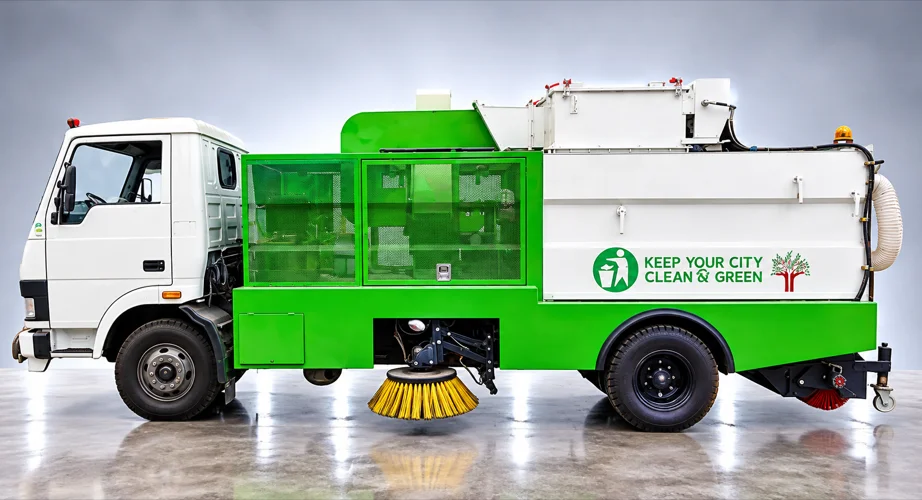
Maniar truck mounted vacuum street sweeper

How a Mechanical (Conveyor) Sweeper Works

A mechanical sweeper, also called a broom sweeper or conveyor-type sweeper, uses a purely mechanical pickup path. There is no suction and no air filtration system.

  1. Side brooms sweep debris in from the curb and gutter into the path of the main broom.
  2. The main broom, mounted at the center of the machine, rotates and throws debris forward onto a conveyor.
  3. The conveyor carries the debris up into the hopper.
  4. Water sprays at the brooms help keep dust down while sweeping.
  5. When the hopper is full, it lifts and dumps, either at a disposal site or directly into a waiting dump truck on high-dump models.

Because nothing depends on airflow, a mechanical sweeper keeps working in conditions that challenge suction systems: wet leaves, mud, gravel, broken asphalt, and heavy sand.

Strengths of a Mechanical Sweeper

  • Heavy and coarse debris: gravel, rocks, millings, and compacted sand.
  • Wet conditions: wet leaves and mud do not clog a filter or suction hose.
  • Uneven road surfaces: the broom follows dips, cracks, and broken pavement.
  • No filter bags: there is no dust filtration system to clean or replace.

Limitations

Mechanical sweepers are less effective at capturing very fine dust and small particles. Water spray reduces dust, but some fine material can stay on the road or become airborne.

Maniar's MSM-3200 mechanical sweeper has a 4.2 cubic yard (3.2 m³) hopper and a high-rise scissor lift that dumps directly into a dump truck.

How a Vacuum Sweeper Works

A vacuum street sweeper uses brooms to gather debris and a blower to suck it up. It is designed to pick up dust and fine material without sending it back into the air.

  1. Side brooms and a main broom sweep gravel, leaves, litter, and sand into the path of a suction hose.
  2. A high-powered blower creates strong suction that draws the debris up the hose and into the hopper.
  3. A filter system cleans the air before it is released. On Maniar vacuum sweepers, pleated filters with an automatic pulse-jet cleaning cycle keep airflow strong and dust out of the atmosphere.
  4. Water sprays at the brooms add extra dust control on larger models.
  5. The hopper unloads hydraulically when full.

The blower and hydraulics are powered either from the truck's own engine through a power take-off (PTO) or by a separate auxiliary engine, depending on the model.

Strengths of a Vacuum Sweeper

  • Fine dust and small particles: suction and filtration capture material a broom alone can leave behind.
  • Cleaner air while sweeping: filtered exhaust means less dust in busy streets and pedestrian areas.
  • Litter, leaves, and sand: handles mixed light debris quickly on smooth roads.
  • Stormwater protection: removing fine sediment keeps it out of storm drains and waterways.

Limitations

Vacuum sweepers are less suited to very heavy, wet, or bulky debris. Wet leaves and mud can slow suction, and large rocks or chunks of asphalt may not fit through the hose. Filters also need regular cleaning and eventual replacement.

Typical Sizes

Maniar vacuum sweepers range from a 1.8 cubic yard (1.4 m³) hopper on a compact truck for narrow streets and parking lots, up to a 7.8 cubic yard (6 m³) hopper on a heavy-duty chassis for high-volume municipal routes.

What About Regenerative Air Sweepers?

Regenerative air sweepers are a third type, which blow air onto the road and recirculate it through the hopper. They are common in the US, especially for fine particulates. This guide focuses on mechanical and vacuum sweepers, the two types most fleets compare first.

Mechanical vs. Vacuum Sweeper: Side-by-Side Comparison

The key difference is the pickup method: a mechanical sweeper lifts debris with a broom and conveyor, while a vacuum sweeper sucks it up with air.

Feature Mechanical Sweeper Vacuum Sweeper
Pickup method Main broom and conveyor Brooms and blower suction
Best debris Heavy, coarse, and wet: gravel, sand, millings, wet leaves Fine dust, litter, leaves, and light sand
Wet conditions Works well Wet material can slow suction
Uneven road surfaces Works well Best on smoother surfaces
Dust control Water spray at the brooms Filtration system plus water spray on larger models
Filters to maintain None Pleated filters with automatic cleaning
Typical use Construction zones, rough roads, heavy debris loads City streets, pedestrian areas, parking lots, dust-sensitive sites

When to Choose a Mechanical Sweeper

  • Construction and road work zones: asphalt millings, gravel, and heavy sand left after paving or utility work.
  • Older or uneven roads: broken pavement, cracks, and dips where a suction nozzle may not seal well.
  • Wet climates and seasons: fall leaves, rain, and mud that would clog a suction system.
  • Heavy sand buildup: road edges, medians, and divider corners where sand and dust settle in thick layers.
  • Tight maintenance budgets: no filter bags to replace and a simpler pickup system.

When to Choose a Vacuum Sweeper

  • Downtown and commercial streets: dust control matters near shops, restaurants, and pedestrians.
  • Stormwater programs: cities working to keep fine sediment out of storm drains and waterways.
  • Parking lots and campuses: mostly litter, leaves, and light debris on smooth pavement.
  • Narrow residential streets: compact vacuum sweepers maneuver easily where larger trucks cannot.
  • Air quality concerns: filtered exhaust keeps dust from blowing back into the air.

Many Cities Use Both

Many public works departments keep both types in their fleet. Mechanical sweepers handle heavy cleanup after construction, storms, and winter sanding, while vacuum sweepers handle routine sweeping of finished streets. If you can only buy one, choose based on the debris your crews pick up most often, not the debris you see once a year.

Buyer Checklist: Choosing a Street Sweeper

  1. What debris do you pick up most? Track a few weeks of routes. Heavy sand, gravel, and millings point to a mechanical sweeper; dust, litter, and leaves point to a vacuum sweeper.
  2. What are your road surfaces like? Rough, patched, or uneven roads favor a mechanical broom. Smooth asphalt and concrete suit vacuum pickup.
  3. How often do you sweep in wet conditions? If rain, wet leaves, or mud are common, a mechanical sweeper keeps working when suction struggles.
  4. How important is dust control? Busy downtown areas, schools, and hospitals favor a vacuum sweeper with filtration.
  5. How big should the hopper be? Larger hoppers mean fewer trips to dump, but bigger trucks. Match hopper size to route length and debris load.
  6. Where will you dump? A high-dump hopper empties directly into a dump truck, which saves time on long routes.
  7. What chassis fits your streets? Compact chassis suit narrow streets and parking lots; heavy-duty chassis suit highways and arterial roads.
  8. What maintenance can your shop handle? Vacuum sweepers add filters and a blower; mechanical sweepers add conveyor and broom wear. Plan for both in your budget.
  9. What support is available? Ask about operator training, parts availability, and service before you buy.

Common Mistakes to Avoid

  • Buying for the worst day of the year. Choose for your everyday debris, not the rare major cleanup.
  • Ignoring water supply. Both types use water for dust control. Check tank size against your route length.
  • Choosing hopper size alone. A larger hopper on the wrong chassis may not fit your streets.
  • Overlooking dumping. If dump sites are far away, a high-dump hopper or a transfer truck can save hours each week.

Frequently Asked Questions

What is the difference between a mechanical and a vacuum street sweeper?

A mechanical sweeper uses a main broom and a conveyor to lift debris into the hopper. A vacuum sweeper uses brooms to gather debris and a blower to suck it into the hopper, with filters to keep dust out of the air.

Which street sweeper is best for heavy debris?

A mechanical sweeper. Its broom and conveyor handle gravel, sand, asphalt millings, and wet leaves that can slow or clog a suction system.

Which street sweeper is best for fine dust?

A vacuum sweeper. Suction and filtration capture fine dust and small particles, and filtered exhaust keeps dust from blowing back into the air.

Can a vacuum sweeper work in the rain?

It can sweep wet streets, but heavy wet leaves and mud can slow suction. For frequent wet-weather sweeping, a mechanical sweeper is usually more reliable.

Do mechanical sweepers need filters?

No. A conveyor-type mechanical sweeper has no suction or filtration system. It uses water spray at the brooms to control dust.

What is a conveyor sweeper?

A conveyor sweeper is a type of mechanical sweeper. Its main broom throws debris onto a conveyor that carries it up into the hopper.

What size street sweeper do I need?

It depends on route length, debris load, and street width. Compact sweepers suit narrow streets and parking lots, while larger hoppers on heavy-duty trucks suit highways and high-volume routes.

Find the Right Street Sweeper

Maniar builds mechanical and vacuum street sweepers for municipalities, contractors, and facility managers. Our US team in Windsor, California, can help you compare sweeper types and hopper sizes for your streets.

Find the Right Street Sweeper

Tell us the debris you sweep most, your road conditions, and your preferred truck size, and we will recommend a model and send specifications.

Call +1 (707) 790-2116