Get Your Free Quote…!


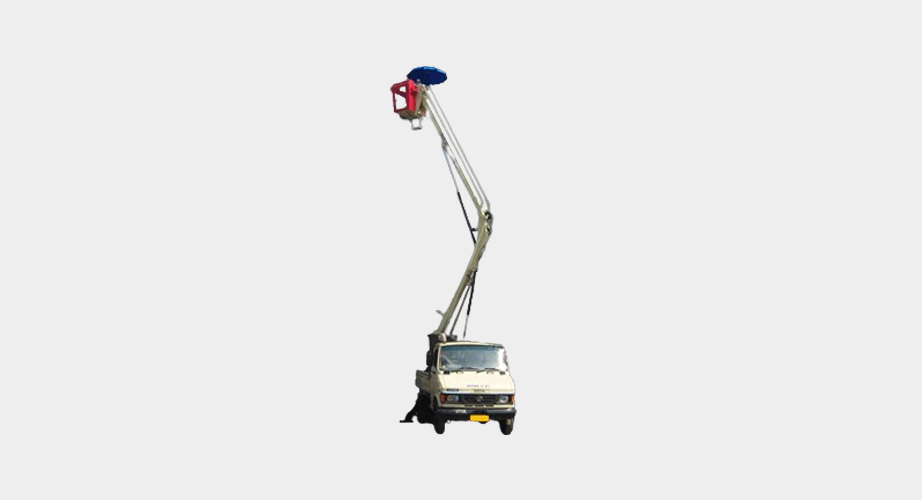
Compact articulating boom for lifting into tight, obstructed spaces.
View Details →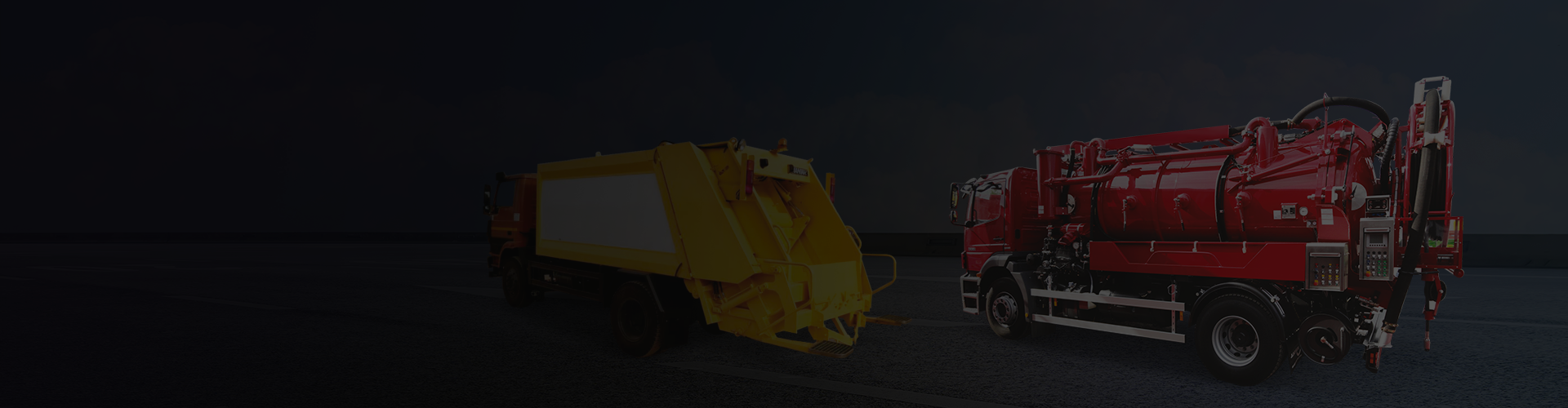

A vacuum truck sucks liquid waste and loose sludge out of tanks, manholes, and basins. A sewer jetter uses high-pressure water to clear blockages inside pipes. A grab-bucket catch basin cleaner lifts heavy, compacted silt out of manholes, catch basins, and wet wells with a mechanical bucket. Each machine solves a different problem, and the right choice depends on what is in the structure and how you need to remove it.
In many countries these machines go by other names: suction machine for the vacuum truck, jetting machine for the sewer jetter, and desilting machine or grab bucket machine for the catch basin cleaner.
A quick way to remember the difference: the jetter cleans the pipe, the vacuum truck removes what can be sucked, and the grab bucket removes what is too heavy or compacted to suck easily.
A vacuum truck uses a vacuum pump to create negative pressure in a sealed tank. When the valve opens, the pressure difference pulls liquid and loose material up through a suction hose and into the tank. The truck then hauls the load to a disposal or treatment site.
Where it struggles: heavy, dense, or compacted silt, and large solids such as stones, bricks, and debris larger than the hose opening. These can slow suction or block the hose.
Maniar vacuum trucks carry about 790 to 2,110 gallons and pull material from up to 100 feet away and 25 feet deep.
A sewer jetter pumps high-pressure water through a hose and nozzle. Rear-facing jets pull the hose through the pipe, while front-facing jets break up the blockage. As the hose is reeled back, the water scours grease, roots, and sand off the pipe walls and flushes them downstream.
Where it struggles: a jetter does not remove anything from the site. It moves debris to the next manhole, where a vacuum truck or grab bucket has to lift it out.
Maniar sewer jetters clean lines from 2 to 36 inches in diameter.
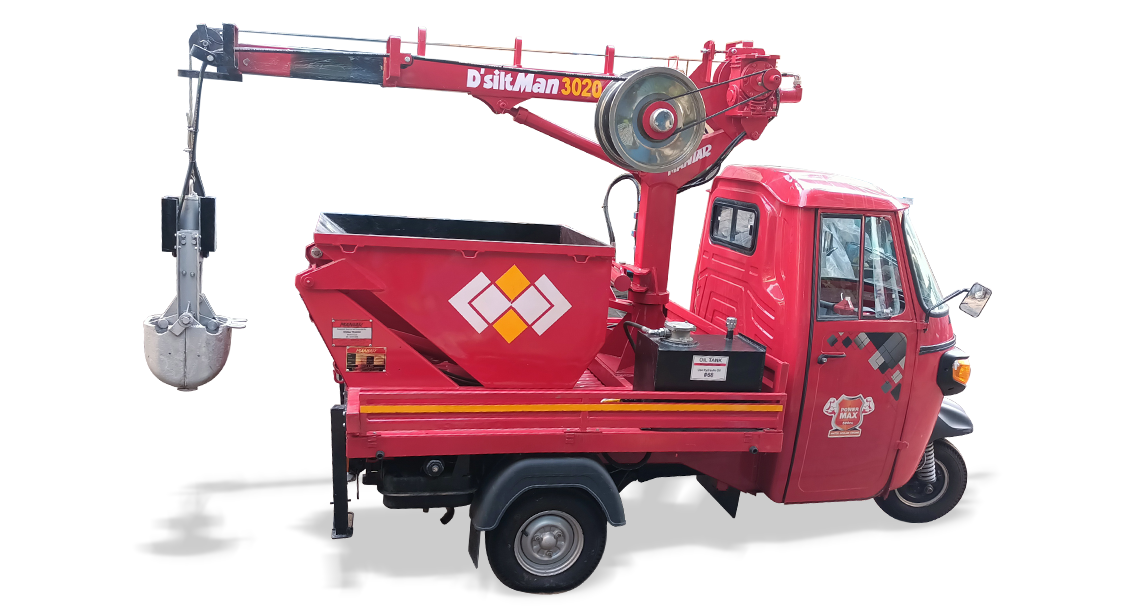
A grab-bucket catch basin cleaner removes silt mechanically, the way a small crane lifts material with a clamshell bucket. It is built for the heavy, settled material that collects at the bottom of manholes, catch basins, and wet wells.
Desilting manholes and wet wells has traditionally meant sending workers into the structure, which is one of the most dangerous jobs in sewer maintenance. A grab-bucket machine removes the silt from the surface, so no one has to enter the manhole or wet well. Maniar catch basin cleaners reach working depths of up to about 32 feet.
A grab bucket is not designed for liquids. Thin, watery sludge is better removed with a vacuum truck, and it does not clean the inside of pipes the way a jetter does.
See Maniar's catch basin cleaner.
| Feature | Vacuum Truck | Sewer Jetter | Catch Basin Cleaner (Grab Bucket) |
|---|---|---|---|
| Also called | Suction machine, vac truck | Jetting machine, hydro jetter | Desilting machine, grab bucket machine |
| How it works | Vacuum suction into a sealed tank | High-pressure water through a hose and nozzle | Hydraulic grab bucket and winch |
| Main job | Remove liquids and loose sludge | Clear and clean the inside of pipes | Lift heavy, compacted silt and solids |
| Removes material from site | Yes | No, flushes it downstream | Yes |
| Handles large solids | Limited by hose size | No | Yes |
| Handles liquids | Yes | Not applicable | Poorly |
| Confined-space entry needed | No | No | No |
| Typical chassis | Truck | Pickup, trailer, or truck | Compact 3- or 4-wheel chassis |
| Relative cost | Higher | Medium | Lower |
| Application | Best machine | Why |
|---|---|---|
| Blocked sewer or storm line | Sewer jetter | Breaks up the blockage and scours the pipe |
| Septic or holding tank | Vacuum truck | Pumps out liquid and sludge |
| Lift station or wet well with liquid sludge | Vacuum truck | Suction removes liquid waste quickly |
| Wet well or manhole with compacted silt | Catch basin cleaner | Grab bucket lifts heavy, dense material |
| Catch basin full of sand, stones, and debris | Catch basin cleaner | Handles solids too large or heavy to suck |
| Routine sewer main maintenance | Jetter plus vacuum truck, or a combination unit | Jetter cleans the line; vacuum removes what it flushes |
| Narrow lanes and tight access | Catch basin cleaner or compact jetter | Small chassis fits where large trucks cannot |
In practice, many sewer maintenance programs use two or all three machines. A common sequence is:
For crews that jet and vacuum every day, a combination sewer cleaner puts both systems on one truck. A grab-bucket machine then adds a low-cost way to handle heavy silt without tying up the larger truck.
A vacuum truck sucks liquid and loose sludge into a tank. A sewer jetter cleans the inside of pipes with high-pressure water. A grab-bucket catch basin cleaner lifts heavy, compacted silt and solids out of manholes, catch basins, and wet wells.
A desilting machine removes silt and sludge from manholes, catch basins, and wet wells. In the US, it is usually called a catch basin cleaner. Grab-bucket desilting machines use a hydraulic bucket and winch to lift the silt to the surface.
Suction machine is another name for a vacuum truck, also called a vac truck or suction truck. It uses a vacuum pump to pull liquid and sludge into a tank.
Jetting machine is another name for a sewer jetter, also called a hydro jetter or jetter truck. It uses high-pressure water to clear and clean sewer lines.
Not completely. A grab bucket is better for heavy, compacted silt and large solids, while a vacuum truck is better for liquids and loose sludge. Many crews use both.
Maniar catch basin cleaners reach working depths of up to about 32 feet, without anyone entering the manhole or wet well.
Maniar builds vacuum trucks, sewer jetters, combination sewer cleaners, and grab-bucket catch basin cleaners for municipalities and contractors. Our US team in Windsor, California, can help you match the machine to your structures, depths, and access.
Tell us what you need to clean, how deep your structures are, and how tight your access is, and we will recommend a model and send specifications.